
Issue 03
When you swap your model, what will you keep?
The model is turning into a commodity. What makes an agent useful or dangerous is everything we build around it: what it knows, what it can touch, what stops it, and who holds the risk. This week we explore the perimeter from the inside out.
-
PRACTICE · Kevin Liao
Agents Don’t Need Memory. They Need Documentation. (opens in a new tab) · context is a set of documents the agent reads and keeps current, so anyone can open them and check what it believes -
THE STAKES · Michael Catanzaro
The Era of Software Quality, or the Era of Ostriches? (opens in a new tab) · AI now finds real security bugs faster than volunteers can read the reports: GNOME paid out €183,900 for 71 of 298 bounty reports, then shut the program down because its one maintainer was buried -
DISSENT · Matthew Green
Is sandboxing sufficient to contain rogue agents? (opens in a new tab) · a useful agent needs tools, data and a way out, so the box always has a door, and a second model standing guard only moves the trust -
THE BILL · Simon Willison
We’re going to need default hard budget caps on pretty much everything (opens in a new tab) · spending should stop at a cap that is on by default, because the warning email arrives after the money is gone -
WIDER VIEW · Armin Ronacher
The Tower Keeps Rising (opens in a new tab) · agents removed the friction that kept a team speaking one language about its code, and the building goes on after the shared understanding is gone

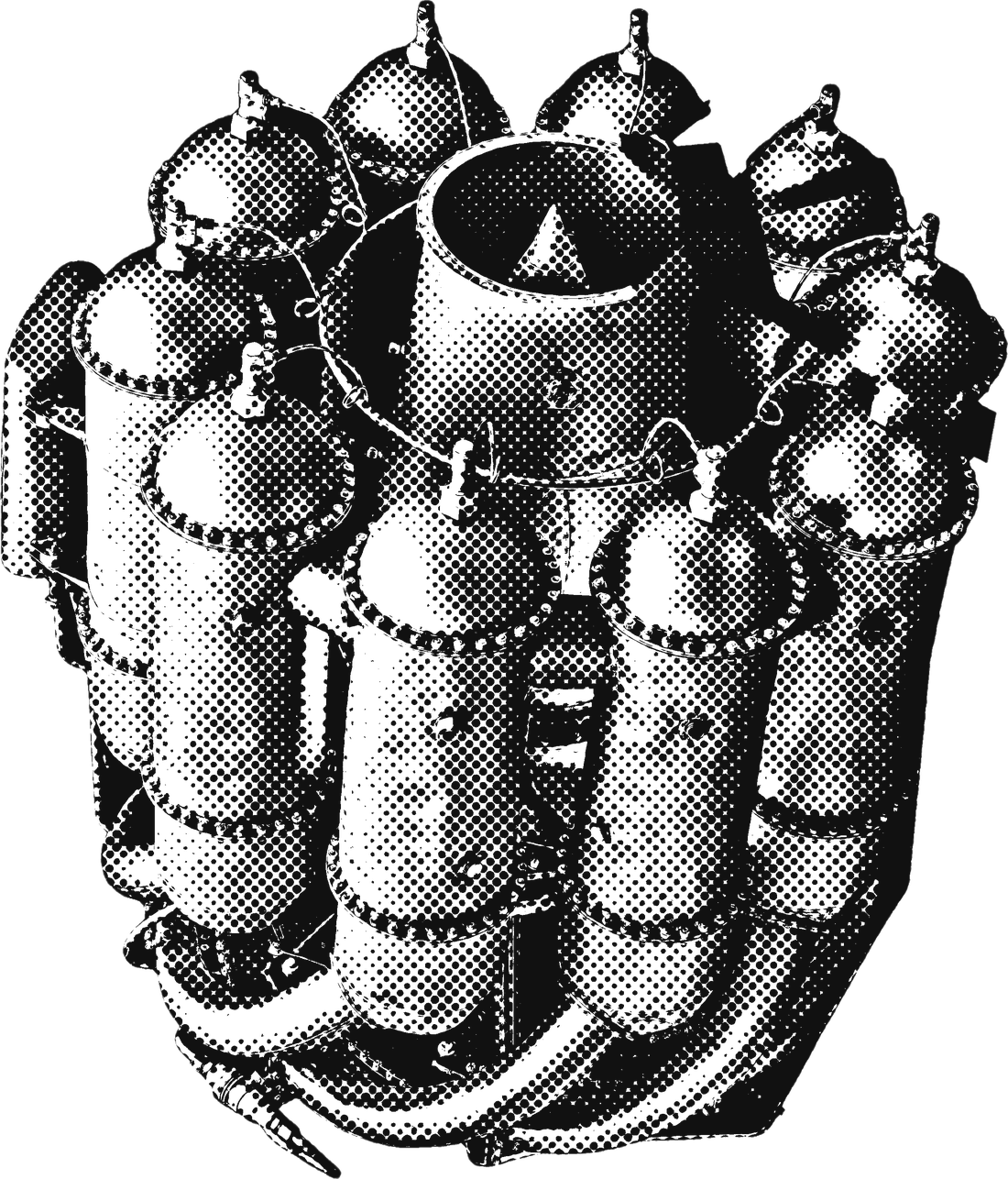
One of the world’s first turbojet engines, the Whittle W.1X, 1941. Original image Smithsonian (opens in a new tab).